01
Do you change my website yourselves?
+
Yes, when you give us access. If someone else runs your site, they get the finished wording and a plain list of what goes where, so the change takes them minutes.
02
Will my website look different?
+
Mostly not. The design stays. What changes is the wording, the headings, the photo notes and the labels Google reads. Where a page is missing something a customer needs, like prices or answers, we add a section for it.
03
Do I need new pages, or can you fix the ones I have?
+
Usually both. We fix the pages you have first, because they already have some standing with Google. Then we add a page for each service or town that has no page of its own.
04
Will on-page SEO help me show up in AI answers?
+
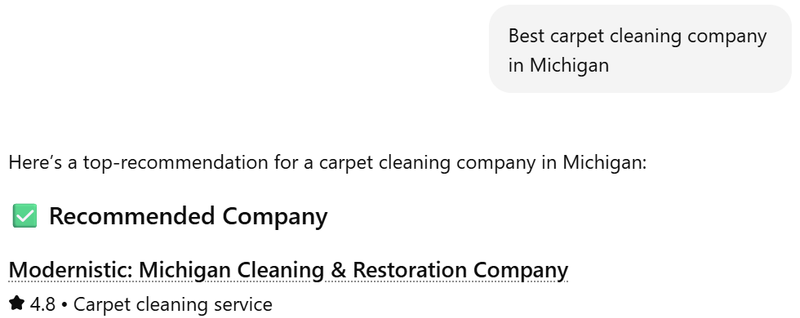
ChatGPT, Gemini and Google’s AI Overviews quote pages that answer the question plainly in the first lines and back it up. That’s how we write every page. More on AI SEO.
05
Does on-page SEO help on Google Maps?
+
Your Maps listing links to your website, and Google checks that the page matches the listing: same services, same towns, same phone number. A clear page for each service and town helps the listing rank. More on local SEO.
06
Is 75 a good SEO score?
+
It’s a score an SEO tool gives your site, out of 100, based on the problems it finds. Google doesn’t use it. A 75 means the tool found a few things to fix. What counts is whether your pages rank for the searches your customers type, and you can check that by typing them into Google.
07
Do keywords still matter?
+
Yes. The words your customers type still decide which page Google shows. What’s changed is that they now pay off in more places: the same clear page wins Google, the Maps listing it supports and the AI answers that quote it.
08
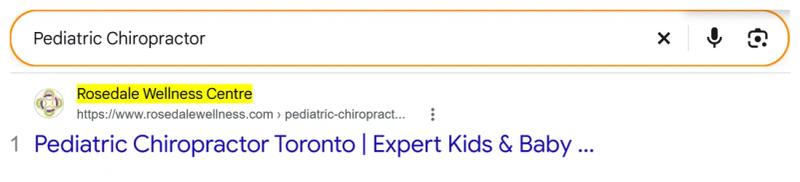
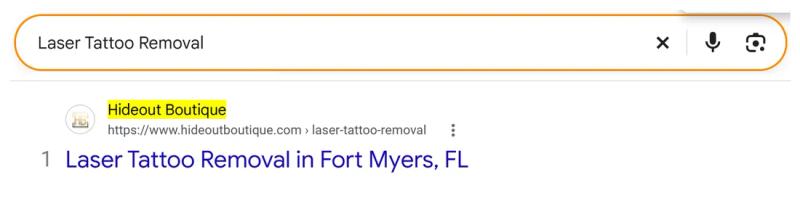
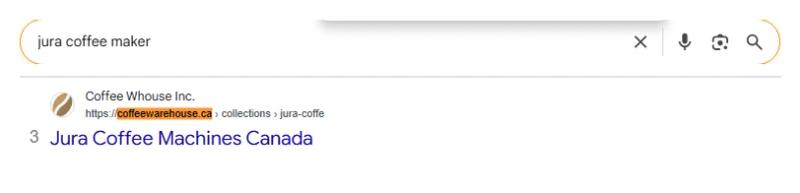
What is a page title?
+
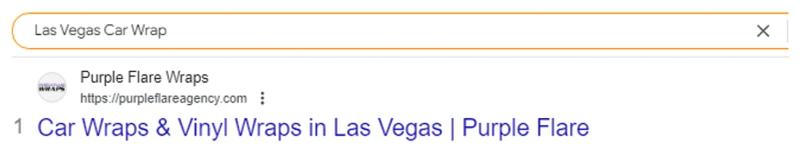
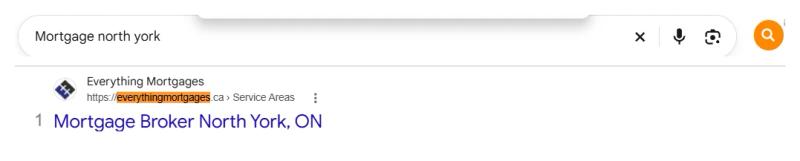
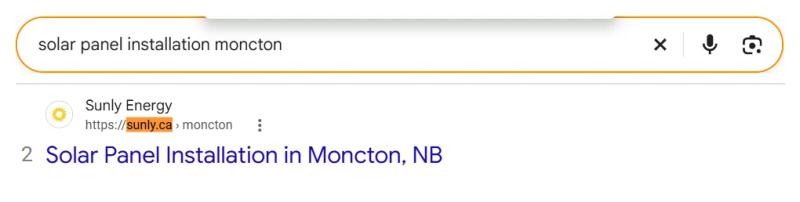
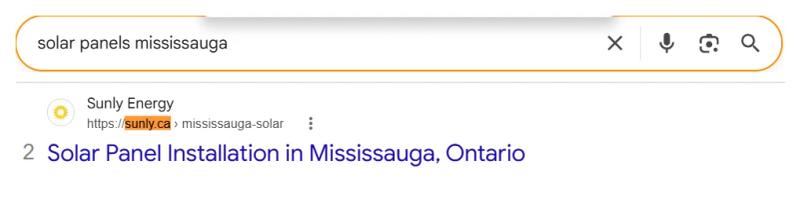
The blue line Google shows for your page in its results, and the text on the browser tab. It’s the first thing a searcher reads, so it should say the service, the town and your business name.
09
What is a meta description?
+
The two grey lines under the page title in Google’s results. Google doesn’t rank on it, but it’s what makes someone pick your result over the one above it.
10
What are the hidden labels Google reads?
+
Short notes in the page’s code, called schema, that tell Google and AI tools your business name, services, area, prices and opening hours without them having to guess. Visitors never see them.
11
How many words should a service page have?
+
As many as it takes to answer what customers ask, and no more. We check the pages that already rank for the search and make sure yours covers what they cover, plus the questions they leave out.
12
Does it matter what my website is built on?
+
No. On-page work is words, headings, photos, links and labels, and every website builder lets you edit those.
13
Can on-page SEO hurt my rankings?
+
Done carelessly, yes: renaming page addresses without pointing the old ones to the new, or cutting text that was winning a search. We check what each page already ranks for before we touch it. Moving to a new site? See website migration.
14
Is on-page SEO a one-time job?
+
No. Google’s results move, competitors change their pages and customers start asking new questions. We keep checking where each page ranks and sharpen it as part of the plan.
15
Am I locked into a contract?
+
No. It’s month to month. Results keep you here, not paperwork.
16
What happens on the free strategy call?
+
It’s 30 minutes on Google Meet. We look at the pages that should be ranking for your main searches, show you what’s in the way, and you leave with a plan that’s yours to keep.