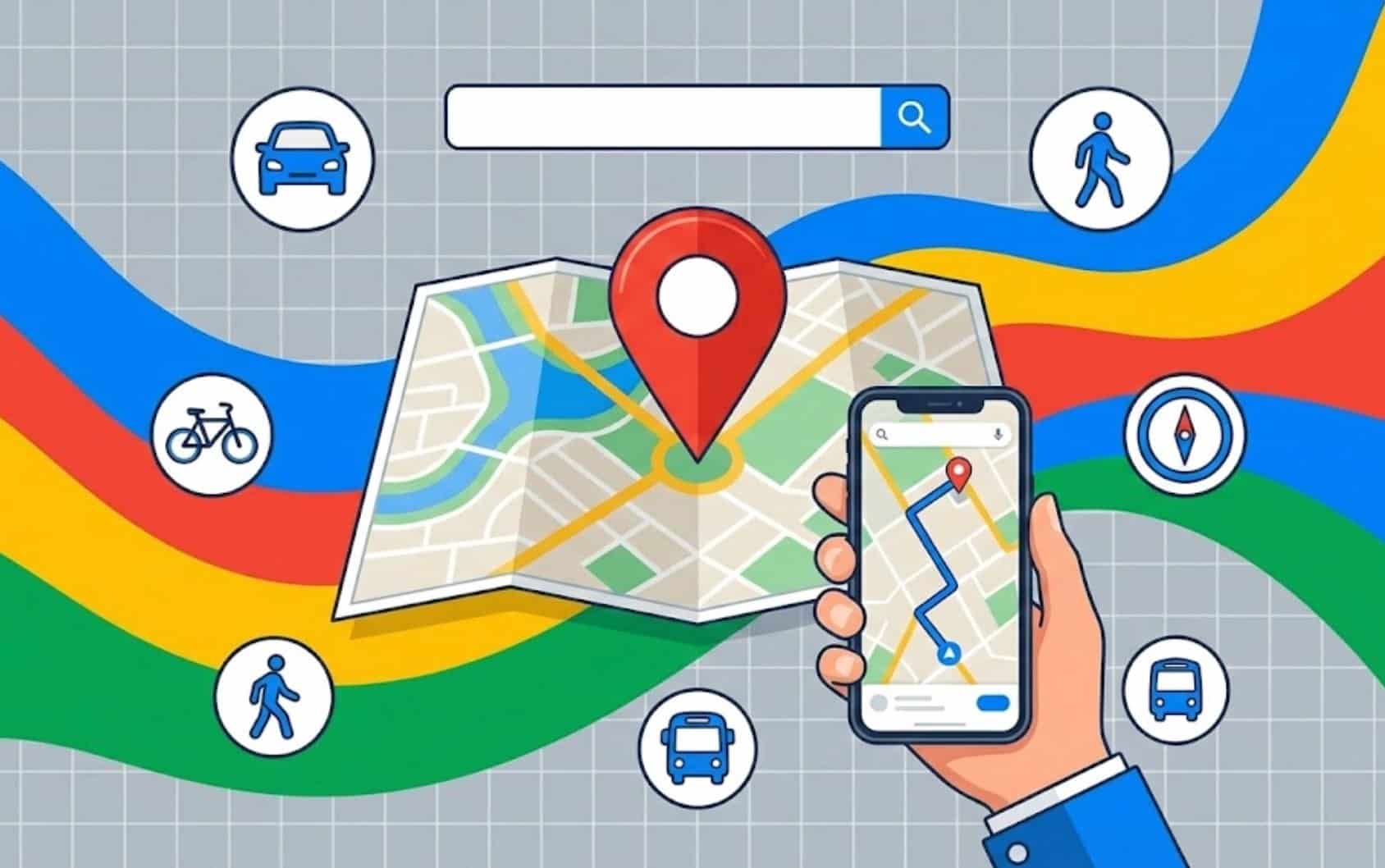
If your business isn’t showing up in the Google Map Pack — those top 3 results that appear above the organic listings — you’re invisible to most local searchers. 42% of local searches click on a Map Pack result, which means losing those positions is like locking your front door during business hours.
This guide is the exact 6-phase system we’ve used to get hundreds of local businesses into the top 3. No fluff, no recycled tips. Read it, apply it, and your phone will start ringing.
How the Google Map Pack Actually Works
Google ranks Map Pack results based on three factors. Most agencies obsess over one and ignore the other two. That’s why their clients never break into the top 3.
1. Relevance
Does your business match what the searcher is looking for? Google reads your category, services, business description, reviews, and the content on your website. If you sell custom kitchens but your profile is set to “Cabinet Maker,” you’re losing a huge slice of relevant queries.
2. Proximity
How close is your business to the searcher? You can’t move your business, but you can compete in a wider radius by building authority and signals around your physical location. Done right, even businesses 5+ miles from a searcher rank in the Map Pack.
3. Prominence
How well-known is your business? Google measures this through review count, review velocity, citation consistency, backlinks, branded search volume, and online mentions. This is the factor agencies skip — and the one that separates top 3 businesses from page 2 ones.
Map Pack ranking isn’t about gaming Google. It’s about giving Google so much consistent, high-quality data about your business that ranking you in the top 3 becomes the obvious choice.
Phase 1: Profile Foundation
This is where 80% of businesses lose. Your Google Business Profile (GBP) needs to be filled out completely, accurately, and in a way that signals exactly what you do and where you do it.
Category Selection
Pick the most specific primary category that describes your core service. Then add 3-5 secondary categories that cover your other offerings. The primary category carries the most weight, so don’t waste it on something generic like “Business Services” when “Family Law Attorney” exists.
Service Areas vs. Physical Address
If customers visit you, list a physical address. If you go to them (plumbers, contractors, mobile services), use service areas. Don’t stuff fake addresses or you’ll get suspended. Service area businesses can rank just as well as storefronts when prominence signals are strong.
NAP Consistency
Your Name, Address, and Phone need to be identical everywhere online — your website, GBP, Yelp, BBB, niche directories, social profiles. Even a small variation like “Suite 12” vs “Ste. 12” creates confusion. Pick a canonical format and use it everywhere.
Profile Completeness
Fill out every field Google offers. Hours, services menu, attributes, business description, products, photos, opening date, payment methods. A 100% complete profile signals to Google that you’re a real, active business — not a fly-by-night listing trying to game the system.
Phase 2: On-Page and Local Authority
Your website matters for Map Pack rankings. Google connects your GBP to your site and reads it for context. A weak website caps your Map Pack potential no matter how good your profile is.
Location Pages That Actually Rank
If you serve multiple cities, you need a dedicated, unique page for each one. Not a template with the city name swapped. Each location page should have local landmarks, project examples, testimonials from that area, and content that demonstrates real presence in that market.
Internal Linking
Link from your homepage and high-authority service pages to your GBP landing page (the page your GBP “Website” link points to). This passes internal authority directly to the page Google associates with your business profile.
Embed Your Map and Schema
Embed your Google Maps location on your contact page and add LocalBusiness schema markup with matching NAP, hours, and category data. This gives Google a structured, machine-readable confirmation of who you are and where.
Phase 3: Reviews That Move Rankings
Reviews are the single biggest prominence signal. But not all reviews are equal — and most businesses get this wrong by chasing volume instead of quality.
Review Velocity
Steady, consistent review flow beats a one-time burst. Aim for 4-8 new reviews per month, every month. Sudden spikes look manipulative to Google. Slow drips signal real, ongoing customer activity.
Keyword-Rich Reviews
When customers mention your service, location, or product type in their review, it directly reinforces relevance signals. You can’t write reviews yourself, but you can guide them. After a job, send a follow-up like: “If you’re happy with our kitchen renovation in [Neighborhood], we’d love a quick Google review describing your experience.”
Response Optimization
Reply to every review — positive and negative. Use the customer’s first name, mention the specific service or product, and keep responses warm and brief. This adds even more keyword-rich text to your profile and signals active engagement.
Phase 4: Active Profile Management
An active GBP outranks a stagnant one. Google rewards businesses that update their profile regularly because activity signals “real and operating.”
Weekly Google Posts
Publish a post every 7 days. Mix it up: an offer, an update, a project highlight, an event. Each post adds fresh keyword-relevant content to your profile and shows Google you’re active.
Photo Uploads
Add new photos every week. Geotag them with your business location. Include before/after shots, team photos, completed projects, location interior, and team in action. Profiles with active photo activity rank substantially higher than static ones.
Q&A Section
The Q&A section is criminally underused. Seed it with the questions your customers actually ask, then answer them yourself with detailed, keyword-rich responses. This is one of the few places you can directly add SEO content to your profile.
Phase 5: Citations and Authority
Citations are mentions of your business across the web — directory listings, industry sites, local publications. Google uses citation consistency to verify you’re a real, established business.
Core Directories
Get listed on the foundational sites first: Yelp, BBB, Yellow Pages, Apple Maps, Bing Places, Foursquare, Facebook. Make sure NAP is identical across all of them. Inconsistent citations are worse than no citations.
Niche and Local Citations
After core directories, target industry-specific and city-specific sites. A Toronto roofer should be on local roofing directories, Toronto chamber of commerce sites, and area-specific business listings. These carry more weight than generic directories.
Backlinks From Local Authority Sites
Local newspapers, chambers of commerce, sponsorships of local events, partnerships with local nonprofits. These earn backlinks from sites Google trusts in your area, directly boosting prominence.
Phase 6: Behavioral Signals and Tracking
Google watches how users interact with your listing. The businesses that get clicked, called, and visited rank higher because Google interprets that as “this is the right answer.”
Click-Through Rate
If your listing gets a higher CTR than competitors at the same position, Google promotes you. Use a clear, benefit-driven business description, professional photos, and a strong star rating to maximize CTR.
Driving Directions and Calls
Every “Get directions” or “Call” action from your listing is a positive signal. They tell Google your listing is solving the searcher’s intent. Make your call button prominent and your address easy to copy.
Branded Search Volume
The more people Google your business name directly, the more authority you accumulate. Off-line marketing, vehicle wraps, signage, and content marketing all drive branded searches that compound over time.
Ranking Timeline: What to Realistically Expect
Map Pack ranking takes time. Anyone promising top 3 in 30 days for a competitive market is selling fiction. Here’s what actually happens.
Days 1-30: Foundation
Profile cleanup, citation building, schema implementation, location pages launched. Rankings may not move yet — you’re laying groundwork. Expect impressions and profile views to start climbing.
Days 30-90: Momentum
Reviews flowing, weekly posts running, citations indexed, local authority signals accumulating. This is when you’ll see noticeable ranking jumps for primary keywords. Top 10 to top 5 movement is typical.
Days 90-180: Dominance
Top 3 positions established for primary keywords. Long-tail and “near me” queries start ranking. Phone calls and form submissions increase substantially. Now the system compounds — every month builds on the last.
The 7 Most Common Mistakes Killing Your Rankings
If you’re not ranking, chances are one of these is the reason:
- Wrong primary category. Generic categories cap your relevance. Pick the most specific one that describes your core revenue.
- Inconsistent NAP across the web. Even small mismatches confuse Google. Audit every listing and standardize.
- Profile is set-and-forget. No posts, no new photos, no fresh content. Google interprets this as a dead listing.
- Paid review services. Google detects fake reviews and penalizes hard. One suspension can wipe out years of work.
- Thin or duplicate location pages. If your “Toronto” page is just your “Vancouver” page with the city swapped, Google ignores both.
- No schema markup. You’re making Google guess instead of telling it directly. Always add LocalBusiness schema.
- No tracking. If you’re not measuring rank changes, profile views, calls, and direction requests, you can’t optimize what’s working.
Advanced Tactics
Once the foundation is solid, these tactics push you from top 3 to consistently #1.
Radius Expansion
You can rank in cities miles from your physical address by building geo-relevant content, targeted local citations, and reviews that mention those areas. We’ve got clients ranking 8-10 miles outside their physical location through this approach alone.
Competitor Reverse Engineering
Identify the businesses ranking above you. Pull their citation list, review patterns, post frequency, and backlink profile. Then exceed them on every dimension. Most of the time, your competitors aren’t doing anything magical — they’re just doing more of the basics.
Review Sentiment Optimization
Google’s algorithm is getting smarter at sentiment analysis. Reviews that mention specific positive outcomes (“they fixed our leak in two hours”) carry more weight than vague praise (“great service”). Coach your team to ask customers about specific results.
Complete GBP Ranking Checklist
Initial Setup
- Verify GBP ownership
- Fill out every profile field 100%
- Set primary category to most specific match
- Add 3-5 secondary categories
- Standardize NAP across all listings
- Upload 20+ high-quality photos with geotags
- Add LocalBusiness schema to your website
- Embed Google Maps on your contact page
- Build out location pages for each service area
Monthly Optimization
- Publish 4 weekly Google Posts
- Add 4-8 new photos with geotags
- Generate 4-8 new reviews from real customers
- Reply to every new review within 48 hours
- Add 2-3 new Q&A entries
- Build 2-3 new local or niche citations
- Audit and fix any NAP inconsistencies
- Track rank changes for primary keywords
Want Us to Do This for You?
Most businesses don’t have time to run this system in-house. That’s where we come in. We’ve built the exact 6-phase process above into a managed service that gets local businesses into the top 3 of the Map Pack within 60-90 days, guaranteed.
Book a free strategy call and we’ll audit your current GBP, show you exactly which phases are weak, and outline a custom roadmap to dominate your local market.