

Technical SEO Services That Fix What's Holding Your Rankings Back
Your content can be exceptional. Your backlinks can be strong. But if your site has crawl errors, indexation problems, slow Core Web Vitals, or broken architecture — none of that matters. Our technical SEO services give Google exactly what it needs to rank your site higher, faster.
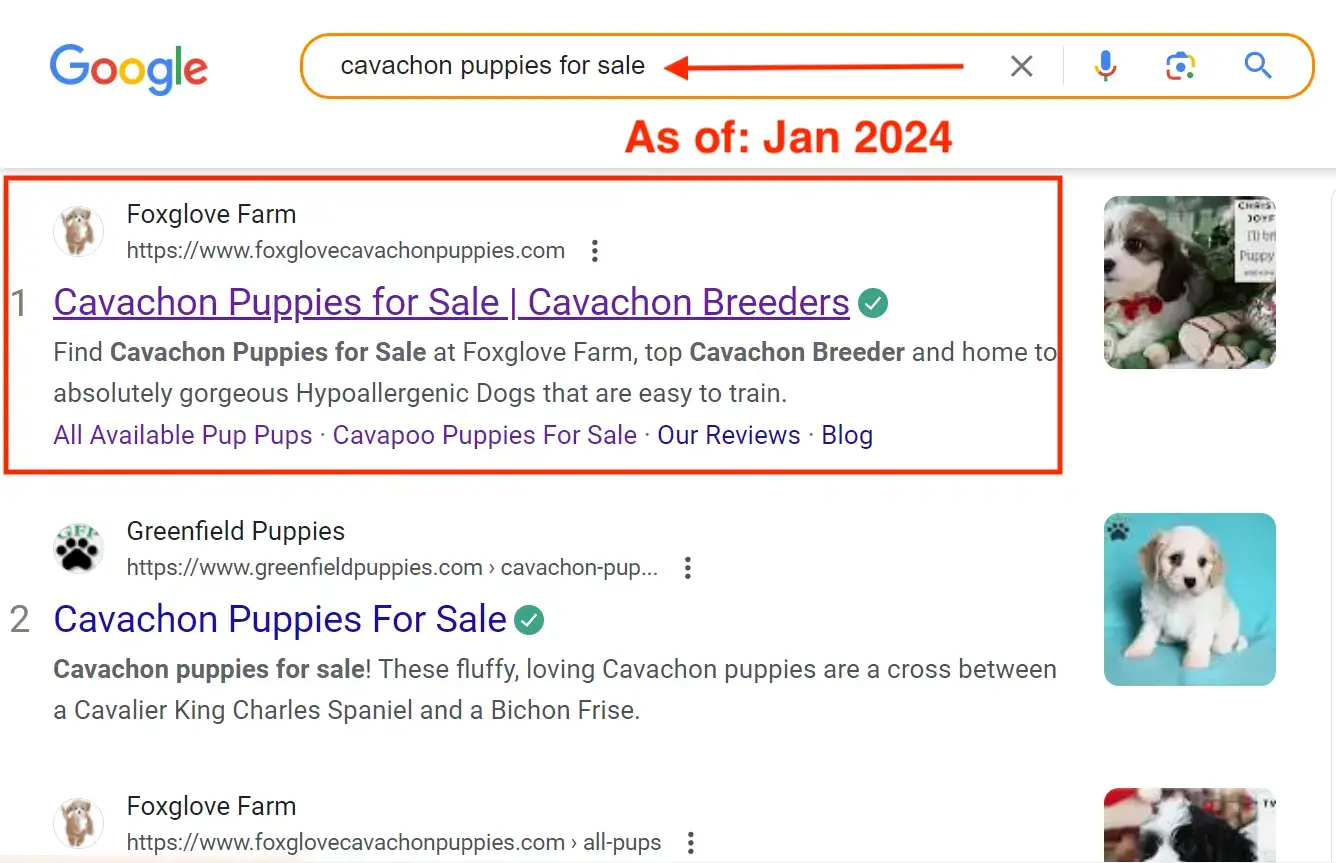
- First-page rankings in 60 days — guaranteed
- Named Top SEO Company by Clutch & UpCity
- 98% 5-star Google rating (100+ reviews)
- We fix issues — not just report them
- Featured in USA Today & major media outlets










Your Rankings Are Stalling. The Problem Might Not Be Your Content.
Here's a scenario we see constantly. A business invests heavily in well-researched content. They build solid backlinks. They optimize their meta titles and descriptions. And yet — rankings plateau. Traffic doesn't grow. Conversions stay flat.
Most of the time, the culprit is something you can't see by reading the page. It's buried in the crawl data, the indexation logs, the server response headers, or the JavaScript rendering queue. It's a technical SEO problem, and it's silently capping your organic performance.
Think of your website like a retail store. You can stock the best products and train the friendliest staff — but if the front door is broken, customers can't get in. Technical SEO is about fixing that door. It's about making sure Google can discover every page, render every element, understand your site structure, and trust that your site delivers a fast, stable experience to every user.
At Awkward Media, our technical SEO company exists to do exactly that. We audit, diagnose, and fix the technical barriers preventing your site from ranking at its full potential. And because we're obsessed with speed, our clients typically see measurable ranking improvements within 30–60 days of implementation.
Whether you're running a growing B2B operation, a local service business, or an e-commerce platform, the technical health of your website determines the ceiling of your SEO results. We're here to raise that ceiling.
What Our Technical SEO Services Cover
Our website technical SEO work goes far beyond running a crawler and generating a report. Every area we cover has a direct connection to how Google discovers, ranks, and rewards your content. Here's what's included in our full technical SEO service:

Crawlability
We analyze how Googlebot is crawling your site — which pages it can access, which are being blocked, and where crawl budget is being wasted. A site that Google can't crawl efficiently will never rank all of its pages, no matter how good the content is.
Indexation
We identify pages that are accidentally noindexed, pages stuck in the "Discovered — not indexed" state, and orphaned content that Google has stopped crawling. Indexation problems are one of the most common and most impactful technical SEO issues we find.
Site Speed & Performance
Page speed is a confirmed Google ranking factor. We identify what's slowing your site down — render-blocking resources, unoptimized images, server response delays, bloated JavaScript — and give you a clear implementation roadmap to fix it.
Core Web Vitals
Google's Core Web Vitals — Largest Contentful Paint (LCP), Cumulative Layout Shift (CLS), and Interaction to Next Paint (INP) — directly influence rankings. We assess your scores, identify the specific elements causing failures, and provide targeted fixes.
Mobile Usability
Google uses mobile-first indexing, meaning it primarily uses your mobile version when deciding how to rank your pages. We check tap target sizes, viewport configuration, text legibility, and mobile-specific rendering issues that could be hurting your rankings.
Schema & Structured Data
Well-implemented structured data helps Google understand your content and can qualify your pages for rich results in the SERPs. We audit your existing schema, fix invalid markup, and identify new structured data opportunities across FAQs, products, services, reviews, and more.
Canonicalization
Duplicate URLs, parameter variations, and pagination issues can split PageRank and confuse Google about which version of a page to rank. We audit your canonical tags, ensure they're pointing to the correct URLs, and consolidate page equity where needed.
Redirects
Redirect chains, loops, and incorrect redirect types (302 used where 301 is needed) waste crawl budget and dilute link equity. We map your full redirect structure, identify problems, and give you a clean implementation plan.
XML Sitemaps
Your sitemap tells Google what to index. We check that your XML sitemaps are accurate, up to date, free from non-canonical URLs, properly formatted, and submitted correctly in Google Search Console.
Robots.txt
A misconfigured robots.txt can accidentally block your most important pages from being crawled. We review your directives, check for unintended restrictions, and ensure your crawl budget is being directed toward the pages that matter most.
Internal Linking Architecture
Strong internal linking distributes PageRank to your most important pages and helps Google understand your site structure. We identify orphaned pages, over-diluted link equity, and opportunities to strengthen the internal linking that supports your target keywords.
Duplicate Content
Duplicate or near-duplicate content confuses Google about which URL to rank. We identify internal duplication, cross-domain duplicates, and thin content clusters that may be splitting ranking signals and suppressing performance.
JavaScript Rendering
If your site relies heavily on JavaScript, Google may not be rendering your content fully before indexing. We test how your pages are rendered, compare the initial HTML with the rendered DOM, and identify content that's effectively invisible to search engines.
Structured Data Opportunities
Beyond fixing existing schema, we identify new structured data opportunities specific to your business — FAQ schema, HowTo schema, LocalBusiness, Product, Review, and Service schemas that can increase SERP visibility and click-through rates.
Our Technical SEO Audit Process, Step by Step
A strong technical SEO audit isn't just a spreadsheet of errors. It's a structured investigation that connects every technical issue to a business impact. Here's exactly how we approach every technical SEO audit we run:

Discovery & Business Context
Before we touch a crawler, we understand your business. We look at which pages drive revenue, what your traffic goals are, which keywords you're targeting, and what changes have been made to the site recently. This context determines how we prioritize everything that follows. A technical audit without business context produces reports that miss the point.
Crawl Analysis
We run a comprehensive crawl using industry-leading tools including Screaming Frog, Ahrefs, and Sitebulb. We analyze response codes, page depth, internal link structure, redirect chains, and URL parameter handling. We also cross-reference crawl data with Google Search Console to identify discrepancies between what Google sees and what our crawl finds.
Indexation Review
We audit your Google Search Console index coverage report in detail. We categorize every non-indexed URL, identify the root cause (noindex tags, crawl blocks, redirect issues, content quality signals), and assess which pages should be indexed but aren't. This step alone often reveals why sites have organic traffic ceilings that good content alone can't break through.
Server Log Analysis (Where Applicable)
For sites with access to server logs, we analyze Googlebot's actual behavior — which pages it's crawling most, where it's getting stuck, how frequently it visits your key pages, and whether crawl budget is being wasted on low-value URLs. Log data is the most honest picture of how Google actually experiences your site, and it often reveals issues that crawl tools alone miss.
Core Web Vitals & Performance Review
We pull both lab data (PageSpeed Insights, Lighthouse) and field data (Chrome UX Report, CrUX data in Search Console). We look at LCP, CLS, and INP scores by page template, identify which elements are failing, and determine whether issues are at the code, server, or CDN level. We also check HTTPS setup, server response times (TTFB), and caching configuration.
Site Architecture Review
We map how your site is structured — the depth of your key pages, how PageRank flows through internal links, and whether your most important pages are easily discoverable. We also look at URL structure, breadcrumb implementation, and how your category/subcategory hierarchy communicates topical relevance to Google.
Implementation Priorities
Every issue gets classified by two factors: severity (how much it's hurting you) and effort (how complex the fix is). We build a prioritized implementation roadmap that separates quick wins from longer-term structural improvements. We work with your development team — or handle fixes directly — to ensure issues are actually resolved, not just documented.
Reporting & Ongoing Monitoring
You receive a clear, jargon-free report explaining what was found, why it matters, and what was done to fix it. We include before/after screenshots, GSC data, and ranking movement where applicable. We also set up ongoing monitoring so new issues get caught quickly, not six months later when damage has already been done.
Ready to get started? Our technical SEO consultant team is ready to dig into your site.
Start My Technical SEO AuditTechnical SEO Checklist: 40+ Points Every Site Needs to Pass
This technical SEO checklist covers the most critical areas of website technical SEO. Use it to evaluate your site's current health, or use it to hold your SEO agency accountable. Every item below is something we check on every audit we run.
Crawlability
- Robots.txt is correctly configured and not blocking important pages
- No important pages blocked by meta robots noindex tags
- Crawl budget is not being wasted on paginated, faceted, or parameter URLs
- No orphaned pages (pages with zero internal links)
- Internal search results, session IDs, and printer-friendly versions are excluded
- Site is accessible via HTTPS, not HTTP
Indexation
- All priority pages appear in Google Search Console index coverage as "Indexed"
- No important pages have "Discovered — not indexed" status
- Low-quality, thin, or duplicate pages are correctly excluded from the index
- XML sitemaps only contain canonical, indexable URLs
- Sitemaps are submitted in Google Search Console
- No 404 errors on pages with external backlinks
Core Web Vitals & Speed
- LCP (Largest Contentful Paint) is under 2.5 seconds
- CLS (Cumulative Layout Shift) is under 0.1
- INP (Interaction to Next Paint) is under 200ms
- TTFB (Time to First Byte) is under 800ms
- Images are compressed, in modern formats (WebP/AVIF), and lazy-loaded
- Render-blocking CSS and JavaScript are minimized
- Browser caching and CDN are properly configured
Canonicalization & Duplicate Content
- All pages have self-referential canonical tags
- www and non-www versions redirect to a single canonical version
- HTTP redirects to HTTPS across all URLs
- No duplicate title tags across the site
- Pagination handled correctly (rel="next"/"prev" or single-page where applicable)
- Thin content pages are consolidated, 301 redirected, or noindexed
Redirects & Errors
- No redirect chains longer than one hop
- No redirect loops
- 302 redirects are intentional (not standing in for 301s)
- Custom 404 page is configured and helpful
- No 5xx server errors appearing in GSC
- No broken internal links (links pointing to 404 or redirected URLs)
Structured Data & Schema
- Organization or LocalBusiness schema on homepage
- BreadcrumbList schema on interior pages
- FAQPage schema on FAQ sections
- Product/Service schema on product or service pages
- Article schema on blog/news content
- No schema validation errors in Google's Rich Results Test
Mobile & UX
- All pages pass Google's Mobile-Friendly Test
- Viewport meta tag is set correctly
- Tap targets are at least 48×48 pixels
- No horizontal scroll on mobile viewports
- Interstitials do not block content on mobile
JavaScript & Rendering
- Key content is present in the raw HTML (not only rendered via JS)
- Internal links are crawlable (not generated only by JavaScript)
- Dynamic content is indexed correctly using GSC URL inspection
- No JavaScript errors blocking page rendering
- Server-side rendering or pre-rendering used for JS-heavy sites
Want us to run this full technical SEO checklist against your site? Our technical SEO audit covers every point above and more. Book your free audit here.
Technical SEO vs On-Page SEO vs Off-Page SEO
These three pillars of SEO are often confused or conflated. Understanding what each one covers — and how they depend on each other — helps you make smarter decisions about where to invest your SEO effort.

The infrastructure underneath everything — site speed, crawlability, schema, indexation.

The visible content and HTML elements — keywords, headings, meta tags, internal links.

External authority signals — backlinks, brand mentions, citations, digital PR.
All three pillars working together.
| Factor | Technical SEO | On-Page SEO | Off-Page SEO |
|---|---|---|---|
| What it focuses on | How your site is built & crawled | Content & HTML on each page | Authority & trust signals from outside |
| Primary goal | Ensure Google can find, render & index your site | Ensure each page is relevant to target queries | Build domain authority & ranking trust |
| Key activities | Site speed, crawlability, schema, Core Web Vitals, redirects, indexation | Keyword research, title tags, headers, meta descriptions, content depth | Link building, PR, brand mentions, citations |
| Who it requires | Technical SEO consultant + developer | SEO strategist + content writer | Link builder + outreach specialist |
| How fast it works | Fixes often show ranking impact within 2–6 weeks | Content updates show impact in 4–12 weeks | Link building typically takes 3–6+ months |
| Can you rank without it? | No — it's the foundation everything else relies on | No — content relevance is essential | Sometimes for low-competition terms, but not long-term |
| Common issues | Crawl errors, slow speed, duplicate content, broken redirects | Thin content, missing keywords, weak headings | Low DA, toxic backlinks, few referring domains |
All three types of SEO work together. A strong technical foundation means your on-page content gets found and your backlinks actually translate into rankings. Skipping technical SEO is like pouring water into a leaking bucket — no matter how much content and links you add, you'll keep losing rankings through the cracks.
Before & After: What a Technical SEO Overhaul Actually Looks Like
Here's an illustrative example based on the types of issues and outcomes we see consistently across client engagements. Numbers reflect realistic outcomes from technical SEO work of this scope.

Issues Found (Before)
- 38 pages incorrectly noindexed — including core service pages that had been accidentally excluded during a CMS migration
- 112 redirect chains — some 3 to 4 hops long, bleeding PageRank from hundreds of inbound links
- No canonical tags on 60% of paginated URLs, creating duplicate content issues across the blog
- LCP of 7.2 seconds on mobile — caused by an unoptimized hero image and render-blocking third-party scripts
- CLS score of 0.31 — a large ad unit loading below the fold was pushing content around
- Zero structured data anywhere on the site — no schema, no rich result eligibility
- XML sitemap outdated — contained 22 deleted pages and missing 14 new pages published in the last quarter
- JavaScript-rendered navigation — internal links in the main nav were invisible to Googlebot
- 43 orphaned pages with relevant content receiving no internal links and very low crawl frequency
Fixes Implemented & Outcomes (After)
- All 38 noindex tags removed from service pages — pages began appearing in SERPs within 18 days of recrawl
- Redirect chains collapsed to direct 301s — link equity consolidated back to key landing pages
- Canonical tags added across all paginated URLs — duplicate content signals resolved within 2 crawl cycles
- LCP improved to 1.9 seconds — hero image replaced with WebP, render-blocking scripts deferred
- CLS reduced to 0.04 — ad unit repositioned with reserved space
- FAQ, Service, and Organization schema implemented — FAQ rich results appearing in Google within 3 weeks
- Sitemap rebuilt and resubmitted — Google recrawled 14 previously missing pages within 10 days
- Navigation rebuilt in server-rendered HTML — Googlebot now crawling full internal link structure
- Internal link strategy implemented — orphaned pages connected to relevant category pages
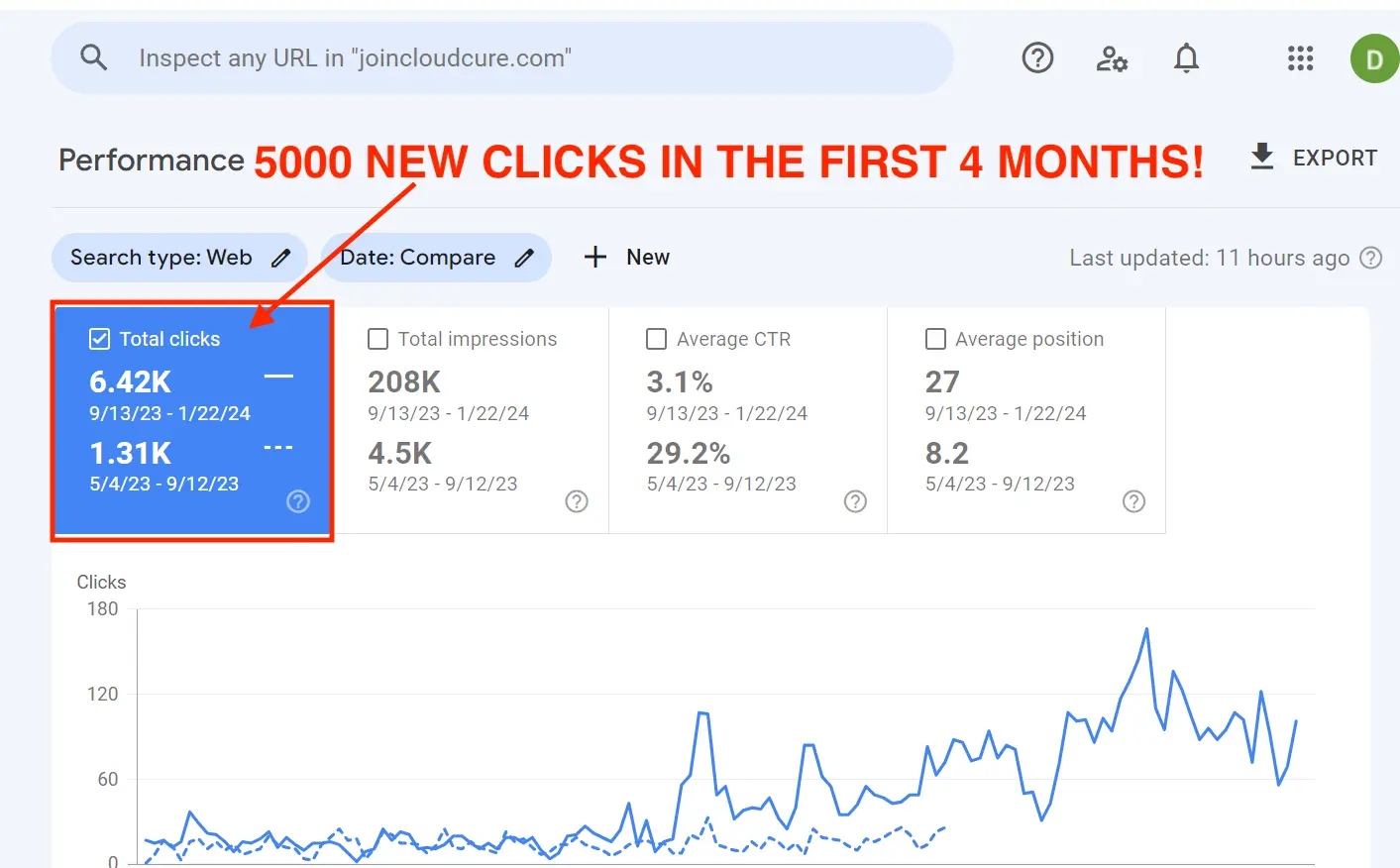
90-Day Outcome
Results like this aren't uncommon. But they require real diagnostic work, not cookie-cutter reports. See more of our SEO case studies →
Why Our Technical SEO Company Is Different
Most agencies run an automated crawler, export a report, and call it a technical SEO audit. We take a fundamentally different approach. Here's why businesses from across Canada and the US choose us as their technical SEO company.

Automated tools find surface issues. Our experts find the issues tools miss.
We Dig Deeper Than Automated Tools
Automated crawlers catch surface-level issues. Our technical SEO consultants go beyond the tool output — analyzing GSC data, rendering behavior, log files, and site architecture to find issues that automated reports miss entirely. The problems causing the most ranking damage are often invisible to automated scans.
We Fix, We Don't Just Report
A 60-page technical audit PDF with no follow-through is the norm at most agencies. We stay in the process until issues are resolved and verified. We work directly with your developers, provide implementation-ready fixes, and confirm via GSC and ranking data that changes have taken effect.
We Connect Technical Work to Business Outcomes
We don't optimize for "SEO health scores." We optimize for rankings, organic traffic, and leads. Every fix we prioritize is framed around business impact — which pages drive revenue, which keywords move the needle, and which technical issues are directly suppressing conversions.
We Move Fast
Traditional agencies take 12+ weeks to see any SEO movement. Our Search Engine Mastery method delivers ranking improvements up to 3× faster. Technical SEO is often the fastest lever in the entire SEO playbook — when you find the right issues and fix them quickly, Google responds fast. We're built for speed without sacrificing depth.
We Understand the Full SEO Picture
Technical SEO doesn't exist in isolation. We integrate our technical work with your broader SEO strategy, ensuring that the pages we're unblocking are also optimized for the right keywords, supported by strong content, and built to convert. Our team covers every layer.
We Have the Track Record
Clutch named us a Top SEO Company in Toronto. UpCity recognized us as a Top Local SEO Agency. USA Today featured our agency for delivering 800% client growth. We have over 100 five-star Google reviews, and 68% of those reviews specifically mention the word "results." Our reputation is built on outcomes, not promises.
We Guarantee Our Work
We offer two guarantees no other technical SEO company will touch. First: if your site health metrics don't improve within 20 days, we pay you $200 for your time. Second: if we don't get at least one high-value keyword to page 1 within 60 days, we work for free until we do. That's how confident we are in what we do.
Transparent Reporting, Always
We report in plain language. No confusing dashboards full of vanity metrics. You'll see exactly what changed, why it changed, and what impact it had on your rankings and traffic. We use tools including Ahrefs, SEMrush, Google Search Console, and Google Analytics — and we share the data with you clearly.

We also offer specialized services beyond technical SEO — including local SEO services for businesses targeting geographic markets, and deep expertise in industry-specific SEO across dozens of verticals.
Ready to Fix Your Technical SEO Problems?
Most businesses are losing rankings because of technical issues they don't even know about. Book your free technical SEO consultation with our team and we'll show you exactly what's holding your site back — and what it would take to fix it.
- ✓ Full site crawl and health review
- ✓ Priority issue identification
- ✓ Competitor technical comparison
- ✓ Implementation roadmap
- ✓ No obligation, no pressure

Book Your Free Technical SEO Audit


Technical SEO is the process of optimizing the infrastructure of your website so search engines can crawl, render, and index your pages correctly. It covers everything from site speed and Core Web Vitals to structured data, canonicalization, robots.txt configuration, XML sitemaps, and JavaScript rendering.
Unlike on-page SEO (which focuses on content) or off-page SEO (which focuses on backlinks), technical SEO ensures the foundation of your site is built in a way that Google can understand and reward. Think of it as the plumbing of your website — you don't see it, but everything stops working without it.
A comprehensive technical SEO audit covers crawl coverage and accessibility, indexation status across all URLs, duplicate content and canonicalization, Core Web Vitals (LCP, CLS, INP), page speed and server response times, mobile usability, structured data and schema markup, XML sitemaps and robots.txt, internal linking architecture, redirect chains and 404 errors, JavaScript rendering issues, and hreflang tags for multi-language sites.
Our audits result in a prioritized action plan, not just a list of issues. Every finding is categorized by severity and effort so you know exactly what to fix first.
For most active websites, a technical SEO audit should be conducted at minimum every six months. Sites that frequently publish content, undergo development changes, or operate in competitive niches should consider quarterly audits.
Any time you make significant site changes — a CMS migration, redesign, or URL restructuring — you should run a full technical audit immediately before and after the change. Google algorithm updates are also a good trigger for an unscheduled check, since core updates can suddenly expose technical weaknesses that weren't previously penalized.
Yes, absolutely. Technical SEO directly affects how Google discovers, crawls, and ranks your pages. If Googlebot can't efficiently crawl your site, your content won't rank regardless of its quality.
Fixing indexation errors, improving Core Web Vitals, resolving duplicate content issues, and implementing proper structured data can all lead to measurable ranking improvements — sometimes within weeks of implementation. In our experience, technical SEO fixes are often the fastest route to meaningful ranking gains, especially for sites that have been struggling despite good content.
Technical SEO focuses on the backend infrastructure — how your site is built, served, and crawled. On-page SEO focuses on the visible content and HTML elements on each page, like headings, keyword usage, meta tags, and internal links.
Both are necessary for strong rankings. Technical SEO sets the stage; on-page SEO performs on it. Off-page SEO, by contrast, builds external authority through backlinks and brand signals. A complete SEO strategy requires all three working together.
We do both. Unlike many technical SEO consultants who hand you a 60-page report and disappear, our team works alongside your developers — or handles implementation directly — to actually fix the problems we find.
Every issue in our audit is prioritized by business impact, and we stay involved through the fix and verification stages to confirm that changes are working as intended. You'll see before/after data in Google Search Console that proves the fixes landed.
Many technical fixes show results within 2–6 weeks once implemented and re-crawled by Google. Critical fixes like resolving noindex tags on important pages or fixing a broken sitemap can trigger ranking changes within days.
Core Web Vitals improvements typically show ranking impact within one to two crawl cycles. Our clients commonly see measurable improvements within 30–60 days of implementation, with compounding gains continuing for months afterward as Google better understands and trusts the improved site structure.
Good content is necessary but not sufficient for strong rankings. If Google can't crawl your pages properly, if your site loads slowly, if there are indexation errors, duplicate content issues, or broken internal linking structures, your content won't rank at its potential.
Technical SEO problems act like a ceiling on your organic performance — no matter how strong your content is, these issues will suppress your rankings until they're fixed. A technical SEO audit is often the first step in diagnosing why a well-written, well-linked site isn't performing the way it should be.
A technical SEO consultant typically works independently to audit and advise, but may not have the resources to implement fixes or monitor results long-term. A technical SEO company like Awkward Media provides a full team — analysts, strategists, and implementation support — to identify issues, fix them, and track results over time.
For most growing businesses, a full-service technical SEO company delivers more consistent, accountable results. You get the expertise of a consultant with the resources and ongoing support of a full agency.

Stop Letting Technical Issues Cap Your Rankings
Every day your site has crawl errors, slow Core Web Vitals, or broken architecture is a day your competitors are gaining ground. Our technical SEO audit is the fastest way to find out exactly what's holding your site back — and exactly what it will take to fix it.
First-page rankings in 60 days — or we work for free. That's our guarantee.

We track SEO performance with the best tools in the industry
We use the best tools in the industry to get precise, actionable data. From Ahrefs and SEMrush to Google Search Console and Google Analytics, we tap into these leading SEO platforms to monitor everything like keyword rankings, site health, and more.
These tools give us a complete picture of how your law firm’s SEO is performing and we use that data to fine-tune our strategies for even better results. With our Law SEO team and cutting-edge tools, you’ll always know exactly where your website stands and how we’re making it better.
We don’t tie you up in long-term contracts
A lot of SEO agencies lock you into long-term contracts, taking your money for months without anything to show for it. It’s frustrating, and frankly, it’s a waste of time. That’s not how we roll.
We believe in earning your trust with actual results, not paperwork. If we’re not delivering the leads, traffic, and rankings your law firm needs, you shouldn’t be stuck with us. We work hard to prove ourselves every month, and if we don’t show improvement within 20 days, you get your money back.

We keep track of Google’s Core Updates
Google changes its algorithms every other month, and they are packaged into a “Google Core Update.” Each core update tweaks the formula by which Google ranks web pages. Web pages that ranked high for their target keywords may rank low after a core update.
As your dedicated SEO company in Toronto, we closely monitor the impacts of such updates, and adjust our strategy for your business’ long-term success.

Transparent Law Firm SEO reporting
When it comes to SEO, reports can be full of confusing abbreviations and technical terms like CTR, bounce rate, DA, SERP, etc. We know most people don’t speak “SEO,” so we break it down for you in a way that’s clear and easy to understand.
With our transparent law firm SEO reporting, you’ll know exactly what’s happening with your website’s performance and how our strategies are working for you. No jargon, no fluff, just straightforward insights and real numbers that show how your firm is climbing the ranks.
We keep you two steps ahead of your competitors
Law firms face insane competition and everyone’s fighting for the top spot. We get you there by keeping you two steps ahead of your competitors, no matter how fierce the market gets.
Law firms face insane competition and everyone’s fighting for the top spot. We get you there by keeping you two steps ahead of your competitors, no matter how fierce the market gets.

We provide advanced SEO for Law Firms
We don’t just do SEO for law firms the way everyone else is doing it. We have the data for what it takes to get to the top results, and we hit hard with it. Our law firm SEO experts know how to get your website ranking higher, faster.
We’ve helped law firms increase their organic traffic by up to 150% and get conversions by 75%, all through smart keyword targeting, killer content, and technical expertise. We make sure your site doesn’t just rank, it dominates.